


We develop innovative approaches for the treatment and prevention of tumors – particularly those caused by human papillomaviruses (HPV).
To further this goal, we focus on the development of targeted, easy-to-use medications, which are both effective and at the same time well tolerated by affected patients.
ViMREX was founded by physician-scientists who strive to bring scientific knowledge into application to provide real benefits to affected patients.


Illustration of a cancer cell
Innovative treatment approaches through comprehensive understanding of tumor development
The growing understanding of the complex mechanisms that drive tumor development has enabled groundbreaking progress in the treatment and prevention of tumorous diseases in the last years.
The development of a malignant tumor (cancer) is a multi-stage process. Several years, often even decades, go by before a healthy cell has completed the transformation into a cancerous cell. Understanding the changes that are essential for the long-term growth and survival of a cancerous cell is essential to develop measures that prevent a pre-cancerous stage from developing into cancer over time. At the same time, this knowledge can be used to treat already existing cancer as targeted and effectively as possible.
Human papillomaviruses (HPV) – common human companions and tumor triggers
Most people (about 80%) acquire an infection with human papillomaviruses (HPV) at some point throughout their lives.1 These viruses enter the skin and mucous membranes via small injuries and infect cells in those tissues. Most HPV infections remain unnoticed and have no clinical consequences for the infected people. However, some infections cause various diseases – from benign tumors, such as warts, to pre-cancerous diseases and also cancer.
More than 200 types of HPV have been identified to date.2 Human papillomaviruses that usually do not produce pre-cancerous diseases or cancer are known as low-risk HPV types. These HPV types typically cause cutaneous or genital warts. In contrast, HPV types with the potential to cause pre-cancerous diseases or cancer are called high-risk (oncogenic) types. Still, most people who are infected with high-risk HPV types will not develop a pre-cancerous disease or cancer since the immune system can usually successfully fight the infection.
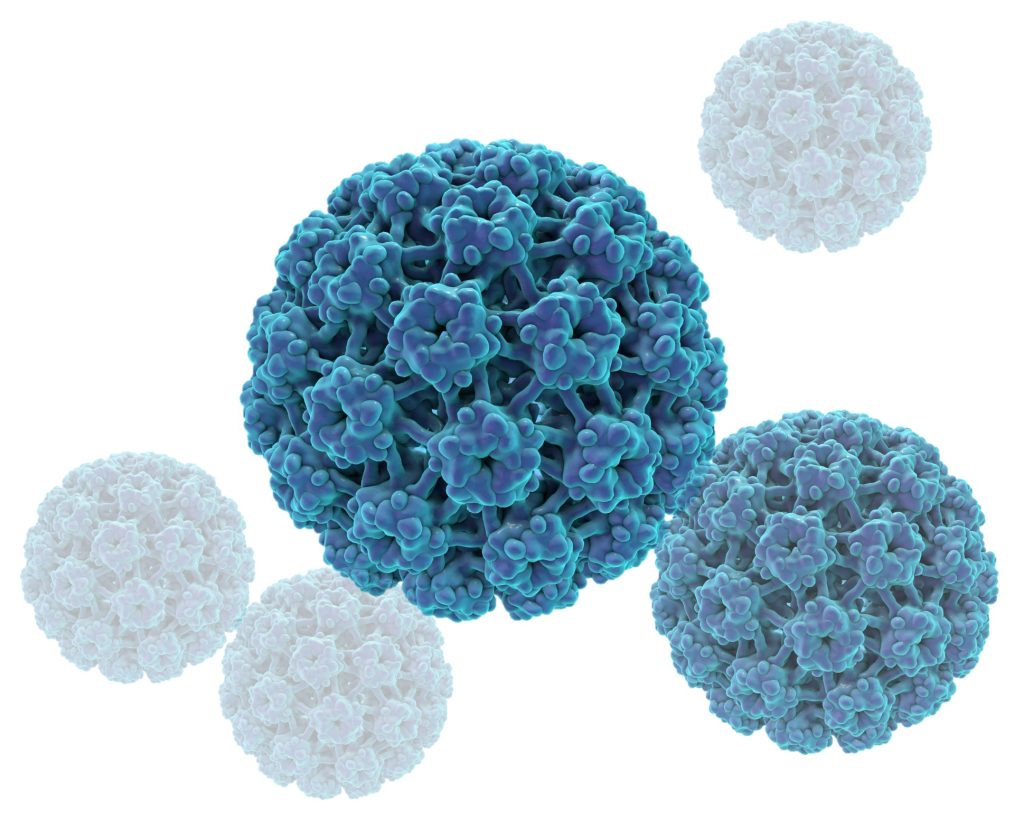
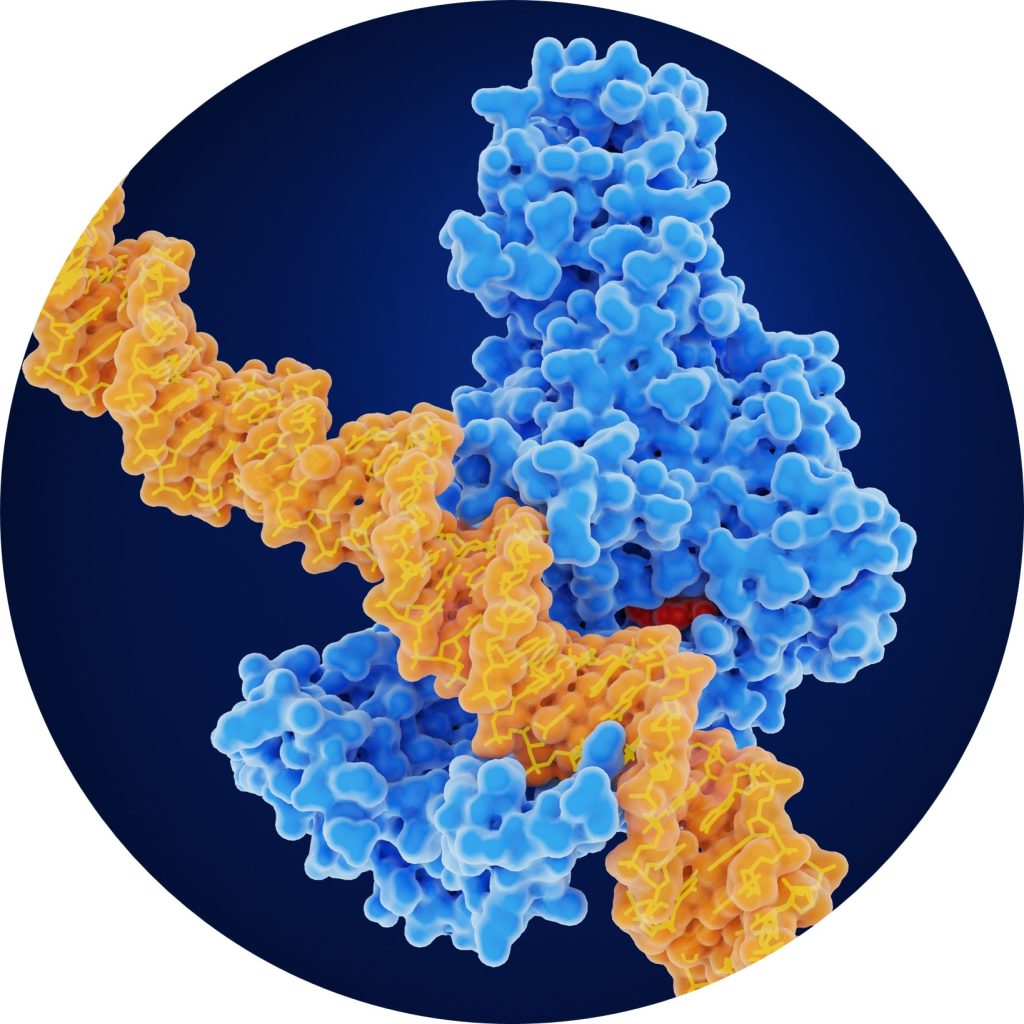
Illustration of the enzyme DNMT1
New treatment approach against HPV-induced tumors: epigenetic therapy
Comprehensive studies on the development of HPV-induced cancers in the “Applied Tumor Biology” research group – a department of the University Hospital Heidelberg and Clinical Cooperation Unit of the German Cancer Research Center (DKFZ from its name in German) – have identified a mechanism that can lead to the malignant transformation of HPV-infected cells.1
This mechanism consists of specific modifications (methylation events) in the genetic material of cells hosting the virus and of the virus itself. These changes in the methylation pattern facilitate the increased production of the viral proteins E6 and E7. These viral proteins play a decisive role in both the development of HPV-induced pre-cancerous diseases and cancer and the long-term growth and survival of these tumor cells. Further work in the “Applied Tumor Biology” group has shown that the treatment of HPV-infected cancer cells with demethylating drugs can reverse these abnormal methylation patterns.
Literature

Address
ViMREX GmbH
Im Neuenheimer Feld 224
69120 Heidelberg, Germany
Contact
E-Mail: vimrex@vimrex.com
Further Information
© 2026 ViMREX GmbH